summer

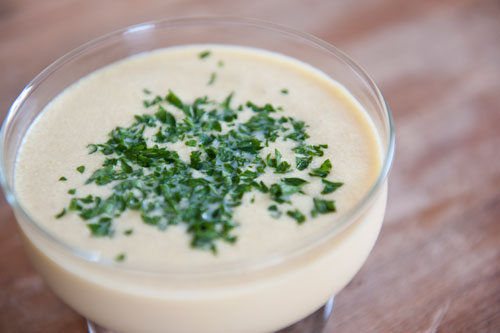
Lemon verbena and honey granita

lemon-verbena-granita1.jpg

The lemon verbena plant that I planted last year and almost lost to a summer storm, is now firmly established and positively thriving. Whenever I pass it I can’t resist rubbing a leaf, because it smells so wonderful.

Transferring that wonderful lemony scent to taste is quite easy - simply steeping it in some boiling water for about 10 to 15 minutes does the trick. This granita is infused with the aroma of lemon verbena, soured with a little lemon juice, and sweetened with a delicate acacia honey. Any light colored honey will work here instead. It makes a wonderful light dessert or palate cleanser, or cooling summer snack. continue reading...

filed under

Tomato water is trendy

After reading my instructions for tomato water yesterday, a reader in the UK told me that Jamie Oliver had also made tomato water on his new show, Jamie At Home. (We can see BBC and ITV here in Switzerland, but not Channel 4.) Through nefarious means I was able to get hold of a copy of the show - it was dedicated to tomato recipes, which all looked delicious. I guess they didn’t film it this year though, because this hasn’t been a good year for tomato growing at all, with lots of rain and cold temperatures. (Unless they cheated and took their ‘home grown tomatoes’ from a greenhouse…) In any case, Jamie made his tomato water by straining the tomato pulp with cheesecloth, which would work as well as my method of using a sieve and paper towels. He iced his water down by adding ice cubes (I don’t think I’d do that since it would dilute the intense flavor) and sprinkled it with basil, celery and extra virgin olive oil, and spiked it with vodka. I hope you do try making tomato water at least once this tomato season - it’s really something worth doing! Serve it to your friends without telling them what it is and watch their faces! continue reading...

filed under

Deconstructed Tomato: Tomato gelée with tomato coulis

tomato-gelee1.jpg

Have you ever made tomato water? It’s the clear liquid strained gently from a ripe tomato, and one of the best treats of summer. When made from juicy, vine-ripened tomatoes, it has a sweet yet green-tomatoey taste that is so intense that a little goes a very long way.

Making tomato water is very simple. All it requires is a blender or food processor, a fine mesh sieve, paper towels, and patience. What you do with the resulting water is up to your imagination. Here I have added a little gelatin to make it into a tomato gelée (or, to be non-fancy, jelly). Served on top is a tomato coulis made from the pulp that is left over after the water is strained. The only heat-adding cooking involved is in melting the gelatin. It fits in well with my minimal-cooking mood this summer.

This would make a very interesting first course for a summer meal, or an amuse-bouche if served in tiny portions. It would be a great in-between courses palate cleanser too, if you are having an elaborate meal. continue reading...

filed under

Zucchini and chickpea pancakes

zucchinipancakes1.jpg

Continuing with my light and quick summer dishes:

This year we got a bit more serious than usual about our garden, and planted three zucchini plants. If you have a garden with zucchinis, you know that sometime around midsummer they start to produce babies like crazy. We’ve had a rather cold and rainy summer here up until now, but this week our three innocent looking zucchini plants have gone into high gear, and we’re picking them as fast as we can before they turn into seedy, tasteless baseball bat sized monsters.

Zucchini pancakes are one way to use up a lot at once. This version uses chickpea flour instead of wheat flour or eggs, with a little bit of spice in it. It’s great hot or cold, and is a perfect snack, side dish or complete vegan main dish, since the chickpea flour is such a terrific source of protein and carbs (nutritional info). Serve it with a salsa, curry, or just on its own. Here I just served them with some super-ripe tomato wedges. The shredded zucchini adds moisture and a rather creamy texture, which I love.

Chickpea flour is used in Mediterranean and Indian cooking. I get mine from a local Indian grocery store, where it’s sold as gram flour; it’s also known as besan, ceci flour, and so on. continue reading...

filed under

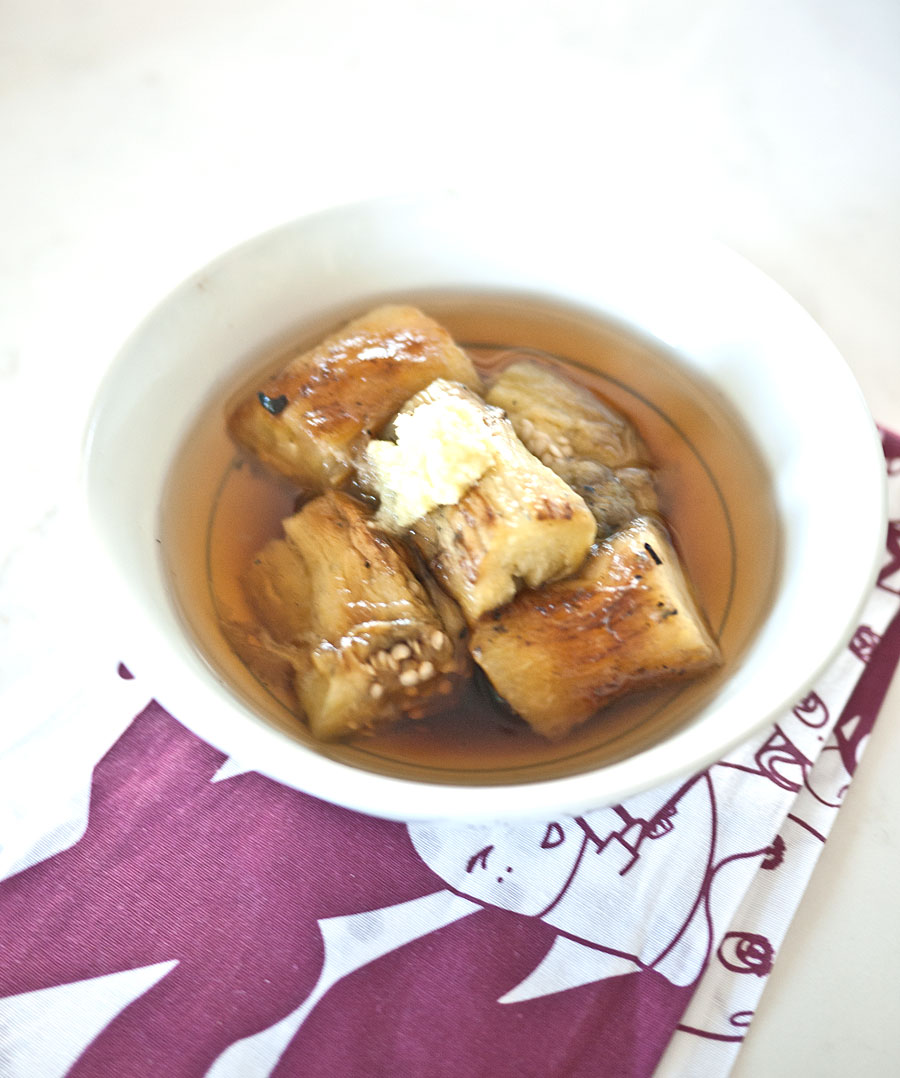
Steamed eggplants (aubergines) with spicy peanut sauce

nasu-peanut1.jpg

Here is another summer dish. I love eggplants (aubergines), but cooking them without using a lot of oil can be a bit tricky. I read about this method of steam-cooking eggplants in the microwave in a Japanese magazine some time ago, and ever since it’s one of my favorite ways of preparing these rather spongy vegetables - they’re done in just 5 minutes without heating up the kitchen, which is hard to beat on a hot summer’s day. The whole dish takes less than 10 minutes to prepare.

Here they are served cold with a spicy peanut sauce, which makes it a very nice vegetarian/vegan main dish. Serve with rice or cold noodles. continue reading...

filed under

Tabbouleh with heirloom tomatoes and shiso

tabbouleh1-300.jpg

I haven’t been posting a lot of recipes here recently. This is mainly because I haven’t actually been doing a lot of full-on cooking, as in hauling out a lot of pots and pans and having the oven full blast and so on. It’s summer after all, and I’ve been enjoying fruits and vegetables as close to their natural, fresh, ripe state as possible. So this week I’ll be posting a few such recipes - requiring minimal active cooking, full of fresh summer vegetables, and nice to have on a warm summer day or evening.

The first one is my standard recipe for tabbouleh, with a twist - instead of using mint, I use shiso (perilla). Shiso has a slightly minty but wholly unique flavor which I really like in just about anything. I also make it with a lot less olive oil than most recipes call for, which I think adds to the fresh taste. We love to have a bowl of tabbouleh in the fridge for easy self-service lunch and snacks throughout the day - it tastes so healthy and is quite filling. It’s also a great side dish for a barbeque.

bernerrosen1-300.jpg

Fresh tomatoes are the key to a great tabbouleh in my opinion. You need ones that are ripe and full of flavor, yet firm. One of my favorite tomatoes at the moment are an heirloom Swiss variety called Berner Rosen - they are a rosy pink when ripe, and full of juice and flavor. (If you’re in Switzerland, Berner Rosen are all over the place at the markets right now.) If you can’t get hold of a good heirloom variety like this, use cherry tomatoes, which are usually reliably firm yet flavorful. continue reading...

filed under

Basics: Cold soba noodles with dipping sauce

soba1.sidebar.jpg

Most of Japan gets very hot and humid in the summer. To combat the heat, a number of dishes meant to be eaten cold have been developed. One of the main cold summer dishes is cold noodles.

Soba noodles, made of soba (buckwheat), are available all year round but are really popular when the heat turns unbearable. As with other cold noodles, they are prepared in a way that may seem strange if you’re used to pasta and other Western-style noodles. Unlike pasta, most Japanese noodles, including soba, are rinsed rather vigorously in cold running water. This not only cools them down but gets rid of excess starch, which adversely affects the flavor of the noodles. Many recipes written in English omit this critical rinsing step: you don’t just plunge it in cold water, as many directions incorrectly state, but you actively wash the noodles. Once you’ve done this once, you will definitely notice the difference. I’ve given detailed instructions for this procedure below.

Dipped into a properly made sauce or soba tsuyu, with plenty of spicy condiments or yakumi, there’s nothing more refreshing to eat on a hot summer evening. continue reading...

filed under

Mugicha (barley tea) is the flavor of summer

mugicha2.jpg

When we were growing up, my mother frowned upon most sugary drinks for us kids. So things like sodas were generally not stocked in the house - an ice-filled cup of Coke was a great treat whenever we went out to eat. Things like Calpis, or when we lived in the U.S. Kool-Aid, were strictly rationed. The cool drink we always had in the refrigerator was mugicha, or barley tea. Even when we lived in White Plains, New York, there were always a couple of jugs of mugicha in the large American refrigerator.

Mugicha is traditionally made by briefly simmering roasted barley grains. It has a toasty taste, with slight bitter undertones, but much less so than tea made from tea leaves. To me, it’s much more refreshing to drink than plain water.

My anti-sugar mother always made sugarless mugicha, but my younger self craved the sweetened mugicha that most of my friends’ mothers seemed to make. I always begged my mother to make sweet mugicha, but she always refused. Some day, when I am the one making mugicha, I’ll put all the sugar I want in it, I used to think. So, when I reached my teen years, and my mother was back working full time, I used to pour rivers of sugar into the mugicha. My little sisters loved it. I’m not sure if it made them more hyper than usual, though I have vague memories of my younger sister sitting on my head when she got bored.

Now that I am nominally an adult, I much prefer unsweetened mugicha. I’m growing more like my mother as I get older, a rather scary thought. continue reading...

filed under

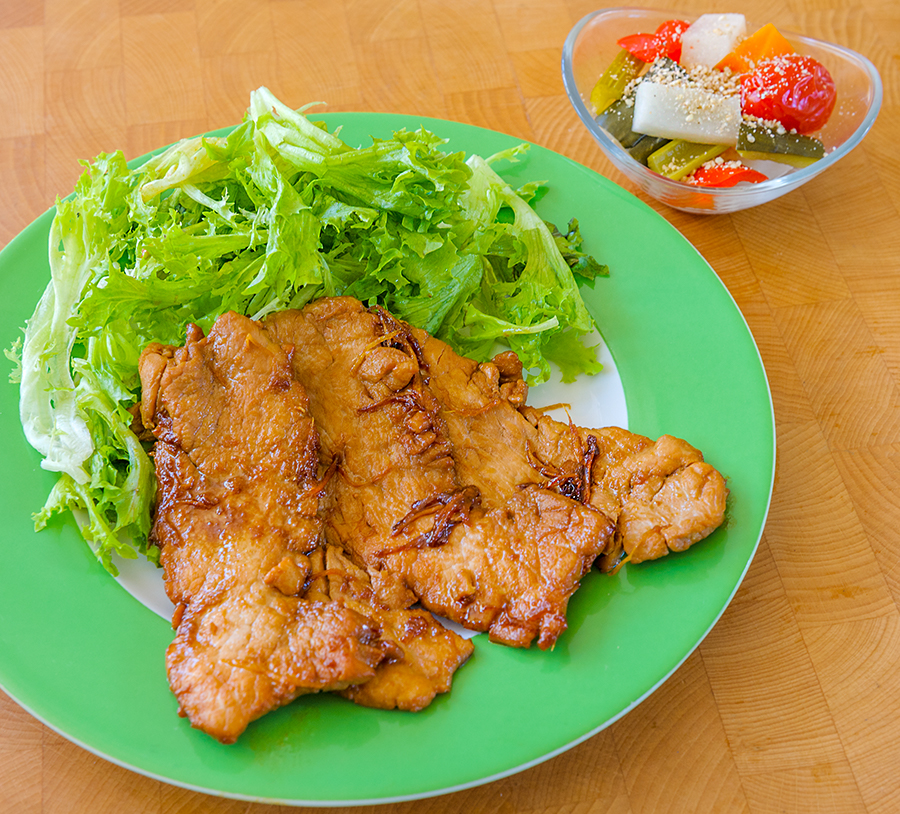
Poached and marinated pork (Nibuta)

nibuta1_300.jpg

With summer just around the corner, I like to think of food that can be made well ahead and tastes great served cold, or at least cool, to keep me out of a hot kitchen. The vegetable part of this is usually taken care of with seasonal vegetable salads and the like. If the protein part means meat, I like to have pre-cooked pieces tucked away in the freezer.

One of my favorite cold meats is poached and marinated pork, or nibuta. (Ni means to cook in liquid, and buta is pig.) It’s very easy to make, stores beautifully in the refrigerator for about a week or much longer in the freezer, and of course, tastes great - savory, slightly sweet, and very juicy. It can be sliced very thinly or julienned for one-dish meal salads or in sandwiches, or chopped up and added to stir-fries, wraps, and so on. It’s a great addition to a bento box. It can be cubed or coarsely ground and used instead of char siu (roast pork) in steamed buns or bao. The possibilities are only limited by your imagination.

There’s one unusual ‘secret ingredient’ in the poaching liquid, umeboshi or pickled plum. You can omit this if you like, but adding just one umeboshi seems to de-fat the meat a bit more than just poaching, plus making it taste a bit cleaner and fresher in an interesting way. continue reading...

filed under

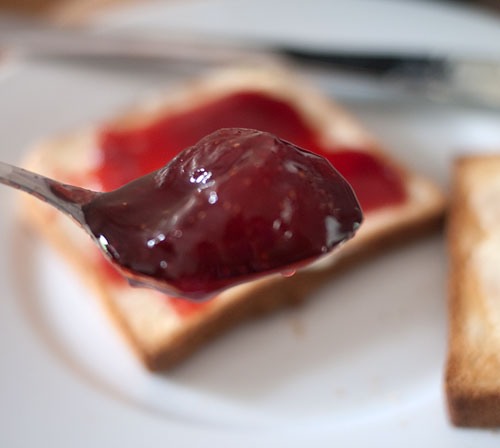
Produce: Plums, plus plum jam

To me, plums are like the last gasp of summer before fall settles in. They are related to other summer stone fruit, like peaches and apricots, but they have a much more elusive flavor.

Plums continue reading...

filed under

Related sites

(I am on MySpace, Facebook, LinkedIn and things but I never use them....)

Food Destinations

food destinations button

Food Destinations is on hiatus, but it may return. More about Food Destinations...

Causes we support

wfp banner img
freerice234_60_Banner2.jpg

Hello!

Just Hungry is a site about Japanese food and home cooking, healthy eating, the expat food life, and more. [log in] or [register]

About this site

maki Just Hungry is a site about food. There are lots of recipes and much more. You may want to take the grand tour, read about Just Hungry, or contact the site owner, Makiko Itoh. To dive in real deep, try the site map.

Sharing!

  • tech-fav-1.gif
This article is from justhungry.com.