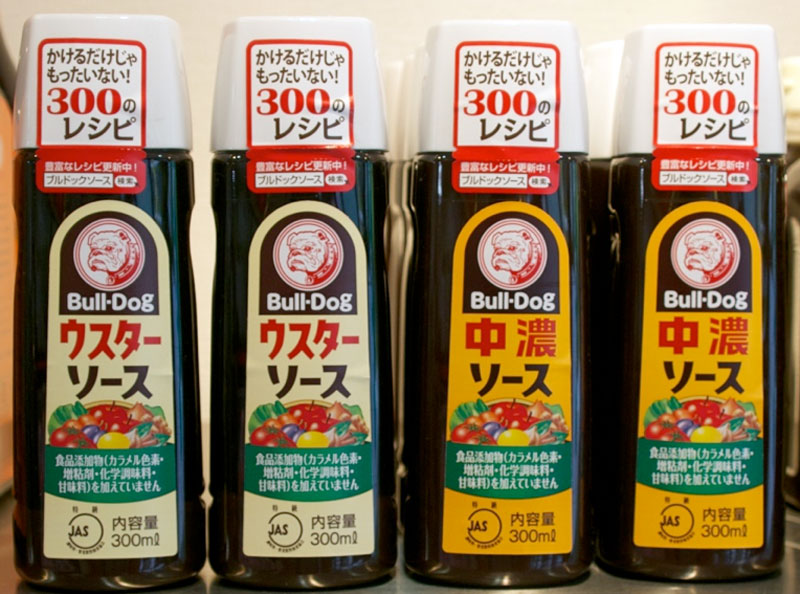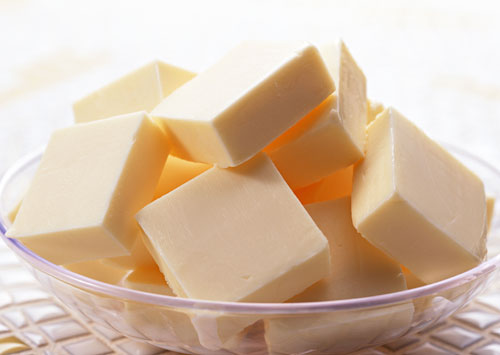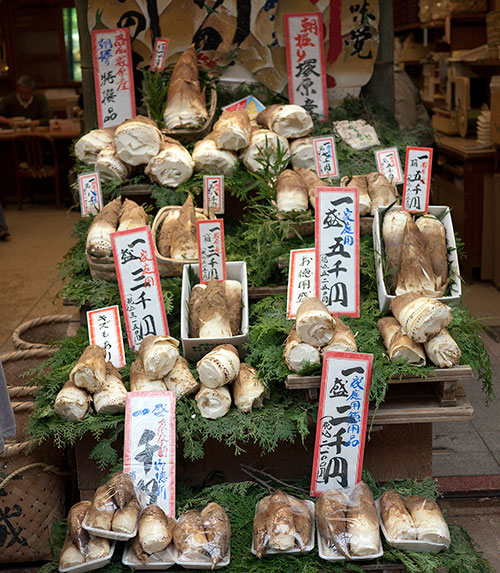
ingredients

Miso Basics: A Japanese miso primer, looking at different types of miso

misomosaic.jpg

[From the archives. This miso primer was published here last September (2008). I’ve added some notes about miso-based blends, especially sumiso or miso with vinegar.]

This is a post that has been a long time coming. I kept on holding it off until I had a good variety of miso on hand to show photos of. I can’t say I have a comprehensive selection to show you, but I hope you will find this article useful anyway.

Miso (味噌、みそ), as you probably know already, is a naturally fermented paste made by combining cooked soy beans, salt, and often some other ingredient such as white or brown rice, barley, and so on. The texture can range from smooth to chunky, and the color from a light yellow-brown to reddish brown to dark chocolate brown, and the flavor ranges from mildly salty and sweet to strong and very salty. It is packed with umami and protein, not to mention all sorts of nutrients.

Miso-like fermented bean products and pastes exist all over Asia, but here I will mainly limit myself to the most commonly used Japanese misos. continue reading...

filed under

Konnyaku and shirataki FAQ: The almost zero-calorie, weird wobbly food from Japan

konnyaku1.jpg

From the archives. For some reason I've been getting several email questions about konnyaku recently, so here is my definitive (I hope) guide to preparing konnyaku and konnyaku noodles, or shirataki. Originally published in January 2007.

The quintessential Japanese foods that (may) help you lose weight, are konnyaku and shirataki. Both are made from the same substance, the corm of the konnyaku or konjac plant. Shirataki is also known as konnyaku noodles, to further confuse things, but I prefer the original name which means "white waterfall". It's basically konnyaku shaped like long thin noodles. continue reading...

filed under

Japanese food shopping in Lyon, plus different Asian stores as sources for Japanese food

lyon-kazuki.jpg

This is a continuation of my series on Japanese food shopping, and frugal eating, in Europe. Previously I visited Paris and Düsseldorf’s Japantown.

Lyon, the third largest city in France and arguably the second most important one after Paris, does not have a large Japanese expat or immigrant population. However, there are some Japanese corporations that have factories or offices in the area, not to mention a large university population. So in terms of the availability of Japanese groceries in France, it ranks second to Paris, although it trails behind by a large margin.

It also gives me a chance to talk a bit about where exactly you can find Japanese ingredients, regardless of the town you’re in. continue reading...

filed under

Survey: What Japanese ingredients can you get where you live?

(The survey is now closed. Thank you for everyone who took the time to comment/answer!)

In connection with a project I’m working on at the moment, I’d like to take a short 5-question survey of Just Bento and Just Hungry readers.

I assume you are here because you have at least some interest in Japanese food and cooking. My questions are as follows. continue reading...

filed under

Workshop Issé: Purveyor of the finest Japanese food and sake in the heart of Paris

paris_workshopisse1.jpg

From the outside, Workshop Issé looks like just another unassuming little Japanese grocery and gift store. There are quite a few stores of this nature scattered about Europe these days. But inside this little boutique in the heart of the Japanese quarter in Paris, you can experience something quite special: A crash course on top quality artisanal Japanese food and drink. continue reading...

filed under

Kouya Dofu or Kohya Dofu, Freeze Dried Tofu

kouyadofu1.jpg

I’ve talked a little about kohya dofu or kouya dofu (高野豆腐)in the past, but I thought I’d describe it in detail so that I can refer back to it when I use this very versatile Japanese pantry staple in recipes.

Kouya dofu is freeze dried tofu. It’s a long lasting pantry staple of most Japanese households. continue reading...

filed under

The Japanese Food and Cooking Lexicon

This handbook leads to articles about Japanese food and cooking terminology. I think that it may be even more necessary now that Japanese food has become popular outside of Japan.

filed under

100 Japanese foods to try

Ever since I completed The Omnivore’s Hundred, I’ve been thinking about this: What 100 Japanese foods would I recommend people try at least once? I’ve been mulling over the list for days now, and I’m more or less satisfied with what I’ve come up with below.

I tried to keep away from foods that are only available in certain regions, or even certain restaurants or homes (e.g. my aunt’s homemade udon) and stuck to foods that are widely available in Japan. I’ve also tried to include foods from all categories and all price ranges, from wildly expensive matsutake mushrooms to el-cheapo snacks. I also did not limit the list to ‘genuine Japanese’ foods (純和風), but include Western-style yohshoku dishes and a sprinkling of chuuka (imported Chinese) foods that are so ingrained in Japanese food culture that most people barely think of them as Chinese any more. And of course, I have eaten all of the foods listed at least once - in most cases many, many times. I like them all!

The list is not numbered in order of preference. It’s just how I happened to list them.

[Update:]

I’ve now added descriptions and links to recipes if they are on the site, as well as the food names in Japanese - now with all 100 descriptions completed! I’ve made it so the descriptions are hidden initially, so you can have fun guessing what they are or trying to remember. Just click on the ? mark after each item! And I will keep adding descriptions gradually.

And no, nigiri-zushi and the most common types of sushi are not on the list, because I am assuming that if you are reading this, you’ve already had sushi. (Though… are you sure you’ve had great sushi at a top notch sushi-ya? See Judging a good sushi restaurant.)

I did not intention this to be a meme, but rather as a list of quintessentially Japanese foods that you might want to try. If you would like to post the list to your blog and play along though, please do so! Actually it would be even more fun if you make your own 10, 50, or whatever list of favorite foods if you dare. (It takes a whole lot more time and thought that you might think.) continue reading...

filed under

Looking at tofu

tofu500.jpg

There are several tofu recipes both here in Just Hungry as well as on Just Bento, and I’ve even shown how to make your own tofu. However, up until now I have never really tried to explain the differences between types of tofu, when to use them and how to store them. Well now is the time to fix that. continue reading...

filed under

About Japanese ingredients and substitutions

[Updated to add Substitution section.]

I haven’t exactly counted it up, but of the thousands of comments left on Just Hungry, not to mention Just Bento, probably at least a quarter are questions about ingredients or ingredient substitutions. So I thought I might put down what my criteria are for what kind of ingredients I choose to feature in the recipes on either site, especially when it comes to Japanese recipes. [Update added on August 15th, 2008]: I’ve also added some suggested, and acceptable, substitutions. continue reading...

filed under

Related sites

wfp banner img
freerice234_60_Banner2.jpg

Hello!

Just Hungry is a site about Japanese food and home cooking, healthy eating, the expat food life, and more. [log in] or [register]

About this site

maki Just Hungry is a site about food. There are lots of recipes and much more. You may want to take the grand tour, read about Just Hungry, or contact the site owner, Makiko Itoh. To dive in real deep, try the site map.

Sharing!

  • tech-fav-1.gif
This article is from justhungry.com.